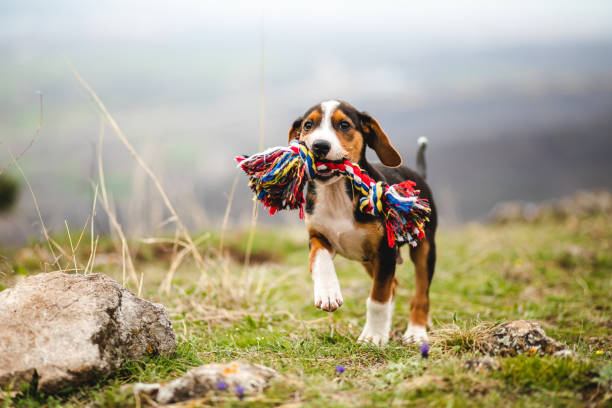
Training a Beagle can be both rewarding and challenging. These intelligent and curious dogs have a strong hunting instinct and a playful nature, making them wonderful companions for active families. However, their independent streak and scent-driven behavior can sometimes pose training difficulties. Here are some valuable training tips for Beagle owners to help foster obedience, curb unwanted behaviors, and strengthen the bond between you and your furry friend.
- Start Early: Begin training your Beagle as soon as you bring them home. Early socialization and obedience training lay the foundation for good behavior and prevent the development of undesirable habits later on. Introduce your Beagle to various people, animals, environments, and experiences to build confidence and reduce fear or anxiety.
- Be Patient and Consistent: Training a Beagle requires patience, consistency, and positive reinforcement. Beagles respond well to praise, treats, and rewards for good behavior. Use clear, simple commands and repeat them consistently to help your Beagle understand what is expected of them. Keep training sessions short and enjoyable to maintain your Beagle’s focus and motivation.
- Use Positive Reinforcement: Positive reinforcement is the most effective method for training Beagles. Reward desirable behaviors such as sitting, staying, and coming when called with treats, praise, or toys. Avoid punishment-based techniques, as they can lead to fear, mistrust, and anxiety in your Beagle. Instead, focus on reinforcing the behaviors you want to see more of.
- Channel Their Energy: Beagles are energetic and curious by nature, so it’s essential to provide them with plenty of physical and mental stimulation. Engage your Beagle in regular exercise, such as walks, runs, and playtime in a secure area. Puzzle toys, scent games, and interactive activities can also help satisfy their instinctual need to hunt and explore.
- Practice Recall Training: Beagles have a strong sense of smell and can easily become distracted by interesting scents while outdoors. Recall training is crucial for ensuring your Beagle responds promptly when called, especially in off-leash environments. Use high-value treats and enthusiastic praise to reinforce a reliable recall response.
- Address Separation Anxiety: Beagles are social animals that thrive on companionship, and they may experience separation anxiety when left alone for extended periods. Gradually acclimate your Beagle to being alone by practicing short departures and gradually increasing the duration over time. Provide interactive toys, comfort items, and a safe, comfortable space to help alleviate anxiety when you’re away.
- Be Firm and Assertive: While positive reinforcement is essential, it’s also important to establish yourself as the leader in your Beagle’s eyes. Set clear boundaries and enforce rules consistently to prevent unwanted behaviors such as excessive barking, digging, or jumping. Be firm and assertive without resorting to harsh discipline or punishment.
- Seek Professional Help if Needed: If you encounter persistent behavior issues or struggle to make progress with training, don’t hesitate to seek assistance from a professional dog trainer or behaviorist. They can provide personalized guidance, techniques, and strategies to address specific challenges and support you in achieving your training goals.
In conclusion, training a Beagle requires patience, dedication, and a deep understanding of their unique temperament and instincts. By implementing positive reinforcement techniques, providing ample stimulation, and building a strong bond based on trust and mutual respect, you can help your Beagle become a well-behaved and happy member of your family. With consistency, compassion, and perseverance, you can unlock your Beagle’s full potential and enjoy a fulfilling companionship for years to come.