Beagle Health 101: Common Issues and How to Keep Your Dog in Top Shape

Beagle Health 101: Common Issues and How to Keep Your Dog in Top Shape

Beagles are one of the most popular dog breeds in the world, known for their playful, curious, and friendly nature. As a small to medium-sized breed, they make wonderful family pets and companions. However, like all breeds, Beagles have their own set of health concerns that every owner should be aware of. Understanding common Beagle health issues, preventive care, and ways to keep your dog in top shape can help ensure they live a long, happy, and healthy life.

1. Obesity

Obesity is a significant health issue for Beagles, largely due to their insatiable appetite and love for food. Beagles are prone to overeating if their diet is not carefully controlled, and this can lead to obesity, which in turn increases the risk of other health problems such as joint issues, heart disease, and diabetes.

Preventive Care:

  • Portion Control: Measure your Beagle’s food to avoid overfeeding. Follow the guidelines on the dog food packaging and adjust based on your dog’s age, activity level, and metabolism.
  • Regular Exercise: Beagles are an energetic breed, so regular physical activity is essential. Daily walks, playtime, and interactive games will help them burn calories and stay fit.
  • Healthy Treats: Limit high-calorie treats and opt for healthier alternatives like small bits of carrot or apple. Ensure that treats make up no more than 10% of their daily caloric intake.

2. Hip Dysplasia

Hip dysplasia is a genetic condition that affects the hip joint, causing abnormal development and leading to joint instability. This condition is common in many dog breeds, including Beagles, and can lead to arthritis and mobility problems as the dog ages.

Preventive Care:

  • Maintain a Healthy Weight: Obesity puts extra strain on the joints, which can worsen hip dysplasia. Keeping your Beagle at a healthy weight is one of the best ways to manage the condition.
  • Regular Low-Impact Exercise: Swimming and gentle walks can help keep the joints moving without causing too much strain. Avoid high-impact activities, such as running on hard surfaces, if your Beagle shows signs of joint pain.
  • Joint Supplements: Speak with your vet about supplements such as glucosamine and chondroitin, which may help support joint health and reduce inflammation.

3. Ear Infections

Beagles have large, floppy ears that are prone to trapping moisture and debris, creating an environment ideal for bacterial and yeast infections. Regular ear infections are common in Beagles, and if left untreated, they can cause pain and hearing loss.

Preventive Care:

  • Regular Cleaning: Clean your Beagle’s ears with a gentle, vet-approved ear cleaner to remove wax, dirt, and moisture. Avoid using cotton swabs, as they can push debris further into the ear canal.
  • Dry Ears After Baths or Swimming: Make sure your Beagle’s ears are thoroughly dried after baths or swimming to prevent moisture buildup.
  • Monitor for Symptoms: If your Beagle is frequently scratching their ears, shaking their head, or showing signs of discomfort, take them to the vet for an evaluation.

4. Intervertebral Disc Disease (IVDD)

Intervertebral disc disease (IVDD) occurs when the discs in the spine degenerate or herniate, causing pain, mobility issues, and in severe cases, paralysis. Beagles, especially those that are overweight, are prone to this condition.

Preventive Care:

  • Prevent Jumping: Beagles are known to jump and climb, but excessive jumping can put a strain on their spine. Try to discourage your Beagle from jumping on and off furniture or from high places.
  • Weight Management: Keeping your Beagle at a healthy weight is crucial for spinal health. Excess weight can exacerbate the strain on the spine and contribute to the development of IVDD.
  • Provide a Soft, Supportive Bed: A high-quality orthopedic bed can help support your Beagle’s spine and prevent unnecessary pressure on the discs.

5. Allergies

Beagles can be susceptible to environmental and food allergies. Common allergens include pollen, dust mites, mold, and certain ingredients in their food, such as grains or beef. Symptoms of allergies in Beagles can include itchy skin, red or watery eyes, sneezing, and gastrointestinal upset.

Preventive Care:

  • Identify and Avoid Triggers: If you suspect your Beagle has allergies, consult your vet for allergy testing. Identifying the specific triggers can help you eliminate or avoid them.
  • Regular Bathing and Grooming: Regular baths with hypoallergenic dog shampoo can help remove allergens from your Beagle’s coat. Brushing their fur frequently will also help reduce shedding and the spread of allergens in the home.
  • Specialized Diet: If food allergies are suspected, your vet may recommend a hypoallergenic diet or food trials to identify the offending ingredient.

6. Eye Problems

Beagles are prone to several eye conditions, including cataracts, glaucoma, and progressive retinal atrophy (PRA). As Beagles age, their risk for these conditions increases, potentially leading to vision problems.

Preventive Care:

  • Regular Vet Checkups: Annual eye exams can help catch early signs of eye problems. Beagles are prone to developing cataracts and PRA, so regular screening is important for early intervention.
  • Watch for Symptoms: If you notice changes in your Beagle’s vision, such as bumping into objects, squinting, or excessive tearing, contact your vet. Early detection can help slow the progression of eye conditions.
  • Eye Hygiene: Keep the area around your Beagle’s eyes clean to prevent irritation or infection.

7. Dental Issues

Dental disease is a common concern for Beagles, as they can be prone to tartar buildup, gum disease, and tooth decay. Poor dental health can lead to painful infections, difficulty eating, and even systemic health problems.

Preventive Care:

  • Brushing Your Beagle’s Teeth: Regular brushing with dog-friendly toothpaste can help prevent tartar buildup and keep their teeth healthy. Aim for at least two to three times a week.
  • Dental Chews and Toys: Provide your Beagle with dental chews or toys designed to help clean their teeth and gums. These can help reduce plaque and keep their mouth fresh.
  • Professional Cleanings: Schedule regular dental checkups with your vet, who may recommend professional cleanings if necessary.

Conclusion

Keeping your Beagle in top shape requires attention to their health, regular check-ups, and a commitment to maintaining their weight, exercise, and hygiene. Beagles are a joyful and energetic breed, and by addressing common health issues proactively, you can ensure that your dog remains healthy and happy for many years. If you ever notice any changes in behavior, mobility, or appearance, don’t hesitate to consult with your vet for guidance and care.

Just as keeping your beagle healthy requires attention and care, creating high-quality video content takes expertise and precision. Many pet businesses and enthusiasts in the area turn to Video Production San Jose to showcase their animals and services in engaging, professional ways.

Training Your Beagle: Effective Strategies for a Well-Behaved Companion

Training Your Beagle: Effective Strategies for a Well-Behaved Companion

Beagles are known for their affectionate nature, boundless energy, and keen sense of smell, making them fantastic companions for families, hunters, and individuals alike. However, their strong instincts and independent streak can sometimes make training a challenge. Whether you’re raising a young beagle or trying to address behavioral issues in an adult, training is essential for fostering a well-behaved dog that integrates seamlessly into your life. Here are some effective strategies for training your beagle and creating a lasting bond built on respect and mutual understanding.

1. Understanding Your Beagle’s Temperament

Before diving into training, it’s crucial to understand the personality traits that make beagles unique. Originally bred for hunting, beagles are highly driven by scent and may be prone to distractions when they catch an interesting smell. They are also known for their independent nature and strong sense of curiosity, which can sometimes make them seem stubborn or aloof during training sessions.

However, despite their independent streak, beagles are highly social animals and thrive on companionship and positive reinforcement. Knowing that they respond well to love, attention, and rewards can guide your training approach, which should be consistent, patient, and rewarding.

2. Start Early: The Importance of Puppy Training

Starting training early is one of the most effective ways to set your beagle up for success. Ideally, you should begin socializing and teaching basic commands like “sit,” “stay,” and “come” as soon as your beagle joins your home. Early training helps them adjust to their new environment, and it provides you with an opportunity to mold good habits right from the start.

Puppy training classes are a great way to begin your beagle’s education. Not only do these classes teach important obedience skills, but they also offer an opportunity for your beagle to interact with other dogs and people, which is essential for their social development.

3. Positive Reinforcement: Reward-Based Training

Beagles respond best to positive reinforcement training. This means rewarding good behavior rather than punishing undesirable behavior. Use treats, praise, or a favorite toy to encourage your beagle when they follow commands correctly. When your beagle sits on command, reward them immediately with a treat or affection to reinforce the behavior. Be sure to keep the rewards high-value and exciting for your beagle—think tasty treats like small pieces of chicken or cheese.

Positive reinforcement not only motivates your beagle to repeat desired behaviors but also strengthens the bond between you and your pet. Avoid punishment-based training methods, such as yelling or using physical force, as these can lead to fear, anxiety, and a breakdown in trust between you and your dog.

4. Use Consistency in Training

Consistency is key when it comes to training your beagle. Beagles, like many dogs, benefit from routine and structure. Set clear expectations, and be sure to use the same commands and gestures every time you train. For example, if you use the word “sit” for your beagle to perform the sitting command, always use “sit” and not “down” or “stay.”

Additionally, all family members should be on the same page when it comes to training. Mixed messages can confuse your dog and hinder their progress. Establish a uniform set of rules for your beagle and ensure everyone in the household reinforces them.

5. Socialization: Key to a Well-Adjusted Beagle

Socialization is an essential part of training. Beagles are friendly and generally get along well with other dogs and people, but if they aren’t properly socialized, they may become nervous or overly excitable in new situations. Early socialization helps prevent unwanted behaviors such as excessive barking, jumping, or fear aggression.

Expose your beagle to various environments, people, and other dogs to help them develop confidence and adaptability. Take them on walks through different neighborhoods, visit dog parks, and arrange playdates with other friendly dogs. The more positive experiences your beagle has with new people, dogs, and situations, the more well-adjusted they will be as they grow.

6. Leash Training and Recall

One of the most important aspects of training your beagle is teaching them to walk calmly on a leash. Beagles have a natural tendency to pull when they’re excited or distracted, especially when they catch a scent. To leash train your beagle, start by using a comfortable harness and a 6-foot leash. Keep training sessions short and positive, and reward your beagle when they walk calmly by your side.

A solid recall (coming when called) is also essential for safety, especially since beagles are prone to following their noses. Start practicing in a secure, enclosed space, such as a fenced yard. Use a high-pitched, happy voice and reward your beagle with praise and treats when they come to you. Gradually increase the distance and distractions as your beagle becomes more reliable in responding to their name.

7. Dealing with Separation Anxiety

Beagles are social dogs and may struggle with separation anxiety when left alone for extended periods. This can lead to undesirable behaviors like barking, chewing, or digging. If you suspect your beagle suffers from separation anxiety, try to gradually desensitize them to being alone by leaving them for short periods and slowly increasing the duration.

Provide mental stimulation, such as puzzle toys or a special treat-dispensing toy, to keep them occupied while you’re away. Additionally, creating a cozy and safe environment can help your beagle feel more secure during your absence.

8. Channeling Their Energy: Exercise and Mental Stimulation

Beagles are energetic dogs that require both physical and mental stimulation to stay happy and healthy. Regular exercise, such as daily walks, play sessions, and activities like fetch, can help burn off excess energy. Since beagles are naturally curious, activities that engage their sense of smell, like scent work games or hide-and-seek, can provide them with mental challenges and prevent boredom.

Beagles thrive in environments where they are mentally and physically engaged, so make sure to provide plenty of outlets for their natural instincts.

9. Troubleshooting Behavioral Issues

Common behavioral problems for beagles include excessive barking, chewing, and food obsession. If your beagle is barking excessively, it’s essential to identify the cause—whether it’s due to boredom, anxiety, or a lack of training. Address the root cause and provide solutions like more exercise, interactive toys, or training to reduce barking.

Chewing is also common among beagles, especially if they are left unsupervised or don’t have enough to do. Provide chew toys, bones, or puzzle feeders to keep them occupied when you’re not around.

Conclusion

Training your beagle is an ongoing process that requires patience, consistency, and understanding. By starting early, using positive reinforcement, and providing plenty of opportunities for socialization and mental stimulation, you can help your beagle become a well-behaved and loyal companion. Remember, every dog is unique, so be sure to adapt your training methods to suit your beagle’s individual needs and personality. With time and effort, you’ll enjoy a harmonious relationship built on mutual respect and trust.

Clear Creek Beagles: A Legacy of Excellence in Beagle Breeding

Clear Creek Beagles: A Legacy of Excellence in Beagle Breeding

For over three decades, Clear Creek Beagles has established itself as a premier name in the world of Beagle breeding. Known for producing dogs with superior health, temperament, and hunting ability, Clear Creek Beagles has earned the trust and admiration of dog enthusiasts, hunters, and families alike. The legacy of excellence that this breeding program has cultivated is the result of a meticulous approach to breeding, a deep commitment to the well-being of the dogs, and an unwavering dedication to preserving the qualities that make Beagles one of the most beloved breeds in the world.

A Tradition of Quality Breeding

Clear Creek Beagles was founded by a group of passionate dog lovers with a singular focus: to breed Beagles that exemplify the best qualities of the breed. From the very beginning, Clear Creek Beagles set high standards for breeding practices. They recognized that breeding dogs is not just about producing puppies, but about ensuring that every dog that enters the world carries forward the legacy of health, intelligence, and outstanding temperament.

Clear Creek’s breeding philosophy revolves around selective breeding to maintain the integrity of the Beagle’s distinctive traits. With a deep understanding of genetics, Clear Creek Beagles takes great care to pair dogs that not only meet the breed standard but also possess exceptional instincts and behavior. Whether the dogs are intended for fieldwork, companionship, or show, Clear Creek Beagles ensures that each one is a true representation of the breed’s excellence.

Commitment to Health and Temperament

At Clear Creek Beagles, health and temperament are paramount. The team of breeders takes extensive measures to ensure that each dog is healthy, socialized, and has the potential to excel in various roles. This commitment is demonstrated by Clear Creek Beagles’ rigorous health screening process for all breeding dogs, which includes evaluations for common Beagle health issues such as hip dysplasia, eye problems, and hearing impairments. In addition to physical health, Clear Creek Beagles emphasizes the importance of mental well-being, providing early socialization to ensure that puppies are well-adjusted and comfortable around people and other animals.

The result of this careful breeding approach is a line of Beagles that are known for their outstanding temperament. These dogs are friendly, affectionate, and loyal, making them excellent family pets. They are also highly intelligent and trainable, which makes them a popular choice for hunters and those involved in competitive dog sports. Whether in the field or at home, Clear Creek Beagles are dependable, loving, and eager to please.

Expertise in Hunting Beagles

While Clear Creek Beagles has become known for producing excellent companion animals, they are particularly well-regarded for their hunting Beagles. The Beagle is a breed with an innate passion for tracking and hunting small game, and Clear Creek has made it their mission to preserve and enhance these natural abilities. By selecting breeding pairs based on their ability to work in the field, Clear Creek Beagles has developed a reputation for producing top-tier hunting dogs.

These hunting Beagles are highly skilled in tracking and trailing, with an incredible nose that allows them to locate game over long distances. Clear Creek Beagles’ breeding program places a special emphasis on producing dogs with stamina, drive, and a strong desire to hunt. This focus on performance in the field has made Clear Creek Beagles a favorite among hunters who need reliable, efficient, and talented dogs for their hunts.

Clear Creek’s hunting Beagles are also known for their excellent instincts, which are honed through exposure to real hunting situations. The puppies are raised in an environment where they have the opportunity to develop and refine their natural instincts. This early exposure ensures that when they are ready for the field, they are not only physically capable but also mentally prepared to perform their duties as skilled hunting companions.

A Family-Friendly Breed

While hunting Beagles are a primary focus for Clear Creek Beagles, the program also emphasizes the importance of the Beagle’s role as a family companion. Beagles are known for their gentle nature and playful temperament, which makes them perfect pets for families with children. At Clear Creek Beagles, there is a conscious effort to produce dogs that are not only highly trainable but also enjoy spending time with their human family members.

Beagles from Clear Creek are raised in a family-oriented environment where they are exposed to a variety of people, sounds, and situations. This early socialization helps ensure that the puppies grow into well-rounded adults who are comfortable in a variety of settings. The breeders work tirelessly to ensure that their dogs are not only great hunters but also affectionate companions who bond easily with their owners.

Legacy of Excellence

Clear Creek Beagles has become a name synonymous with excellence in the dog breeding world, thanks to their unwavering commitment to quality and integrity. This legacy is built on the foundation of responsible breeding practices, an understanding of the Beagle’s natural instincts, and a focus on health and temperament. The breeders at Clear Creek Beagles take great pride in the lineage of their dogs and are dedicated to preserving the breed’s most desirable traits for future generations.

Clear Creek’s reputation is not only built on the quality of their dogs but also on their deep knowledge and passion for the Beagle breed. The breeding program’s success is a testament to the dedication and hard work of the team behind it. They are not just breeders—they are passionate advocates for the Beagle and have helped to shape and elevate the breed over the years.

The influence of Clear Creek Beagles extends beyond the field of dog breeding. Many of the dogs that have come from the program have gone on to excel in various competitions, showcasing the skill and intelligence that Clear Creek Beagles has worked so hard to cultivate. Whether in the show ring, the field, or as family pets, the dogs of Clear Creek Beagles continue to make their mark and carry forward the legacy of excellence.

Conclusion

Clear Creek Beagles stands as a shining example of what can be achieved through responsible breeding practices and a deep commitment to the health and well-being of the dogs. With a focus on producing Beagles that excel in both hunting and as loving companions, Clear Creek Beagles has earned a reputation for excellence that spans generations. Their dogs continue to embody the very best qualities of the Beagle breed, and their legacy of excellence is one that will undoubtedly continue for years to come. Whether you are looking for a skilled hunting dog, a loyal companion, or both, Clear Creek Beagles represents the pinnacle of Beagle breeding.

Why Beagles Make the Best Family Pets: Traits That Win Hearts

Why Beagles Make the Best Family Pets: Traits That Win Hearts

When it comes to choosing a family pet, few breeds are as universally adored as the Beagle. Known for their loving nature, boundless energy, and unmistakable charm, Beagles make exceptional companions for families of all sizes. From their friendly demeanor to their manageable size and intelligence, Beagles bring a unique set of qualities that endear them to everyone they meet. Let’s explore why Beagles stand out as the perfect family pet, and how their traits win hearts around the world.

1. Loyal and Affectionate Nature

One of the key reasons Beagles make such excellent family pets is their unwavering loyalty and affectionate nature. Beagles are renowned for their strong bond with their human family members. They thrive on companionship and are happiest when they are surrounded by their loved ones. This loyalty makes them especially great with children, as Beagles tend to be very patient and tolerant, even in the chaos of a busy household.

Beagles are known to follow their family members around, eagerly joining in on activities and constantly seeking affection. Whether it’s cuddling on the couch or sitting at the kitchen table during meals, Beagles love being part of family life and create an unbreakable emotional connection with everyone in the household. Their need for companionship and affection ensures that they will always be there to offer comfort, making them a great source of emotional support.

2. Gentle and Patient with Children

Another standout trait of Beagles is their gentle nature, particularly around children. Beagles are known for being friendly and patient, making them ideal pets for families with young ones. Their friendly disposition means they are rarely aggressive or prone to snapping, which is essential when interacting with energetic, curious kids. Beagles will happily put up with a little roughhousing and are quick to forgive minor accidents that may occur in the excitement of playing.

Additionally, Beagles are highly adaptable, which means they can handle the varying levels of attention children give them. Whether a child is gently petting them or running around the yard with them, Beagles are always ready for a game or a cuddle. Their easygoing temperament makes them an excellent match for kids of all ages.

3. Moderate Size for Family Living

Beagles are a small to medium-sized breed, which is another reason they’re an excellent choice for families. While they have plenty of energy and love to play, their manageable size makes them suitable for both apartment living and larger homes. Their compact size means they don’t require the vast amounts of space that some larger breeds need, yet they still have the stamina for long walks, hikes, and backyard games.

A full-grown Beagle typically weighs between 20 to 25 pounds, which makes them the perfect size for families with children who may be overwhelmed by larger dogs. Their smaller frame also makes them more versatile when it comes to handling daily routines like walking and grooming, ensuring they can fit seamlessly into your family’s lifestyle.

4. Active and Playful Personality

Beagles are known for their playful and energetic personalities. As a breed originally bred for hunting, they have an instinctual drive to run, chase, and explore their surroundings. This energy can translate into hours of fun for families, whether it’s playing fetch in the yard, going on hikes, or engaging in active games like hide and seek. Beagles are particularly fond of outdoor activities and thrive in environments where they can get plenty of exercise.

Their playful nature ensures that they’re always ready for a new adventure, and they can keep up with children who want a dog that’s as energetic as they are. Beagles make excellent exercise partners for families who enjoy active lifestyles, and their enthusiasm for play makes them an enduring source of joy.

5. Smart and Trainable

Beagles are intelligent dogs with a keen sense of smell and the ability to learn new commands quickly. While they can be a little stubborn at times due to their independent hunting instincts, Beagles are generally eager to please and responsive to training, especially when positive reinforcement techniques are used. This makes them an ideal pet for families who want a dog that can follow commands, learn tricks, and integrate well into family routines.

Beagles are also relatively easy to house-train when consistency is applied, and they are often quick to learn the basic commands like sit, stay, and come. Their intelligence, combined with their love of food, makes them responsive to training, and with a little patience and consistency, they can become well-behaved members of the family.

6. Low Maintenance Coat

When it comes to grooming, Beagles are relatively low-maintenance compared to some other breeds. They have a short, smooth coat that requires minimal upkeep. Regular brushing will keep their coat shiny and healthy, and they don’t typically require frequent baths unless they get dirty during playtime. Their short coat also means they don’t shed as much as longer-haired breeds, making them easier to care for in a home environment.

Beagles are also less prone to common skin issues than some other breeds, which is another reason they are a popular choice for families. However, it’s still important to stay on top of routine care, such as cleaning their ears (Beagles are prone to ear infections) and checking their nails, to ensure they stay in top shape.

7. Adaptable to Different Living Environments

Beagles are incredibly adaptable, which means they can thrive in a variety of living environments. Whether you live in an apartment, a suburban neighborhood, or a rural area with a large yard, a Beagle can adjust to the setting as long as their exercise needs are met. They are generally happy indoors, but they also relish time spent outdoors, making them a versatile breed for different living situations.

In homes with a backyard, Beagles will enjoy exploring and using their senses to navigate their environment, while in smaller spaces, they are equally content with daily walks and playtime. This adaptability makes them a perfect fit for any family that may move between homes or living situations.

8. Great Companions for Other Pets

Beagles generally get along well with other pets, including dogs, cats, and even smaller animals like rabbits. Their friendly disposition and social nature make them an easy addition to homes with multiple pets. While they do have a strong prey drive due to their hunting background, with proper training and supervision, they can coexist peacefully with smaller animals.

In multi-pet households, Beagles tend to enjoy the company of other dogs, and their pack mentality means they often form strong bonds with other pets. This makes them a great choice for families who already have other pets or are considering adopting more animals in the future.

Conclusion

From their loyal and affectionate nature to their playful personality and intelligence, Beagles truly make the best family pets. Their adaptability, patience with children, and love of companionship make them a wonderful choice for families seeking a dog that can fit seamlessly into their lives. Whether you’re looking for a walking buddy, a loyal cuddle partner, or an active playmate for your children, a Beagle is sure to win your heart and become a cherished member of your family. Their endearing qualities and loving nature make them a timeless choice for pet lovers everywhere.

The Ultimate Guide to Beagle Care: Tips for Raising a Happy, Healthy Pup

The Ultimate Guide to Beagle Care: Tips for Raising a Happy, Healthy Pup

Beagles are one of the most beloved dog breeds worldwide, known for their affectionate nature, boundless energy, and iconic nose. Whether you’re considering adopting a Beagle or already have one as part of your family, it’s essential to understand the breed’s unique characteristics and care needs. Beagle care goes beyond the basics of food and shelter; it involves providing the right environment, exercise, grooming, and training to ensure your Beagle lives a long, happy, and healthy life. This ultimate guide offers essential tips to help you raise a well-adjusted and content Beagle.

1. Understanding Beagle Characteristics

Beagles are small to medium-sized dogs, typically weighing between 20 and 25 pounds. With their floppy ears and curious eyes, they are often described as friendly, loving, and playful. Beagles are scent hounds, originally bred for hunting, which means they are driven by their powerful sense of smell. This trait can make them independent thinkers and sometimes a little stubborn, so training and socialization are key to a well-behaved Beagle.

Beagles are also known for being highly social dogs. They thrive in environments where they get plenty of attention from their human family members, and they usually get along well with other dogs and pets. However, their strong pack instincts mean they may struggle with being left alone for long periods.

2. Creating a Beagle-Friendly Home

A Beagle’s environment should be engaging, safe, and comfortable. To ensure your Beagle feels secure and happy, start by providing them with a designated space in your home where they can rest, sleep, and retreat to when they need some quiet time. A cozy bed or crate will help your Beagle feel at home.

As scent hounds, Beagles have an insatiable curiosity, which means they may get into things they shouldn’t. It’s important to dog-proof your home by keeping harmful chemicals, sharp objects, and small items out of reach. Additionally, Beagles are escape artists, so make sure your backyard fence is high enough and securely closed to prevent any accidental escapes during playtime.

3. Nutrition and Diet

A healthy diet is crucial for keeping your Beagle in optimal shape. Beagles have a tendency to become overweight due to their love of food and their tendency to eat whatever they can find. Feeding your Beagle a balanced, nutritious diet is essential for maintaining their energy and overall health.

Consult with your veterinarian to determine the best food for your Beagle, considering factors like their age, weight, and activity level. High-quality dog food with a balance of protein, fat, and carbohydrates is important. Beagles can be prone to certain health conditions like obesity and hip dysplasia, so portion control is essential. Avoid free-feeding, which can lead to overeating, and stick to a regular feeding schedule.

4. Exercise Needs

As energetic dogs, Beagles need plenty of exercise to keep them healthy and happy. They enjoy activities that allow them to use their noses, so be sure to provide ample opportunities for outdoor exploration. Regular walks, runs, and playtime are essential to keep your Beagle active and engaged.

Aim for at least 30 to 60 minutes of exercise each day. Beagles thrive in environments where they can interact with their human companions, so activities like fetch, hiking, and even scent games are perfect. Mental stimulation is just as important as physical exercise for Beagles, so don’t forget to include puzzle toys or hide-and-seek games that engage their sharp noses.

5. Training and Socialization

Beagles are intelligent but can be a bit stubborn. Early socialization and consistent training are essential to raise a well-behaved Beagle. Begin training your puppy as soon as possible, introducing basic commands like “sit,” “stay,” and “come.” Positive reinforcement, such as treats and praise, works best for Beagles, as they respond well to reward-based training.

Socialization is equally important, as Beagles can be wary of new situations and people. Expose your Beagle to different environments, people, and other animals from an early age to help them become well-adjusted. Since they are naturally friendly dogs, Beagles generally do well with other dogs and pets, but supervision during playtime is always recommended, especially if your Beagle is still learning appropriate behavior.

6. Grooming and Hygiene

Beagles have short, dense coats that are relatively easy to maintain. They are moderate shedders, so regular grooming is important to keep their coat healthy and minimize shedding around your home. Brush your Beagle’s coat once or twice a week to remove loose hair and reduce shedding. A rubber grooming mitt or a soft brush will work well for this purpose.

Beagles are also known for their droopy ears, which can trap moisture and debris. Regular ear cleaning is essential to prevent infections. Check your Beagle’s ears once a week, using a gentle ear cleaning solution recommended by your veterinarian. Additionally, Beagles need regular dental care, so brushing their teeth several times a week will help prevent tartar buildup and ensure fresh breath.

7. Health Considerations

Beagles are generally healthy dogs, but like all breeds, they are prone to certain health conditions. Common issues include hip dysplasia, epilepsy, hypothyroidism, and obesity. Regular vet check-ups are important for detecting and treating any potential health problems early.

Keep an eye on your Beagle’s weight and ensure they’re getting enough exercise to avoid obesity. Beagles are prone to weight gain, which can lead to other health problems such as joint issues and heart disease. Regular visits to the vet will help ensure your Beagle is in good health.

8. Mental Stimulation and Enrichment

Because Beagles are highly intelligent, they need more than just physical exercise. Providing mental stimulation is crucial to prevent boredom and destructive behavior. Scent-based games are a great way to challenge their natural instincts, such as hiding treats around the house or yard for your Beagle to find. Puzzle toys and interactive games can also help keep their minds sharp.

Beagles also enjoy spending time with their human companions, so incorporating them into your daily activities or going on adventures together can strengthen your bond and provide them with a sense of purpose.

Conclusion

Raising a Beagle is a rewarding experience, but it requires commitment, time, and effort. By providing your Beagle with a balanced diet, regular exercise, consistent training, and plenty of mental stimulation, you’ll ensure they lead a happy, healthy, and fulfilling life. Whether you’re raising a playful puppy or an adult Beagle, these tips will help you nurture a lifelong companionship filled with joy, love, and adventure.

Beagle Breed Overview

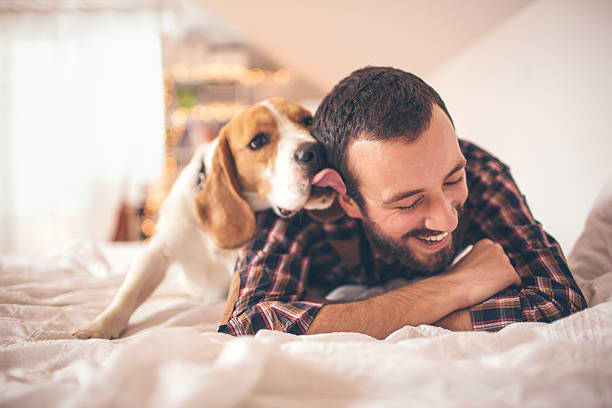
Young smiling man affectionate with his dog

The Beagle, with its distinctive appearance and amiable personality, is a small to medium-sized breed that has captured the hearts of dog enthusiasts worldwide. Known for its keen sense of smell and friendly demeanor, the Beagle has a rich history and unique characteristics that make it a popular choice for families and individuals alike.

Origin and History: The Beagle’s origin can be traced back to ancient times, with roots in hound breeds developed in England. Initially bred for hunting small game, particularly hare, the Beagle’s compact size and exceptional sense of smell made it an ideal companion for hunters. Over the centuries, the breed evolved, and the modern Beagle we know today emerged in the 19th century. The breed gained popularity in the United States in the mid-20th century, thanks in part to its role as a family-friendly pet.

Physical Characteristics: Beagles are characterized by their distinctive appearance. They have a sturdy and well-proportioned build, typically weighing between 20 to 30 pounds. Their head is broad, featuring a domed skull and a short, square muzzle. Beagles have expressive brown or hazel eyes that convey intelligence and warmth. One of the most recognizable traits is their long, droopy ears, which contribute to their endearing look.

Coat and Color: Beagles boast a short, dense coat that is easy to maintain. Their coat comes in a variety of colors, with the tricolor combination of black, white, and tan being one of the most common. Bicolor and lemon-colored Beagles also exist. Their coat serves as protection during outdoor activities, and their moderate shedding makes them suitable for families with mild allergies.

Temperament: Beagles are renowned for their friendly and sociable temperament. They are excellent family dogs, known for their affectionate nature and love of companionship. Beagles typically get along well with children and other pets, making them a popular choice for households seeking a four-legged friend. Their playful and curious disposition requires mental and physical stimulation to prevent boredom-related behaviors.

Intelligence and Trainability: Beagles are intelligent dogs with a strong sense of independence. While this trait can sometimes lead to stubbornness during training, their food motivation and eagerness to please make them trainable with patience and positive reinforcement. Early socialization is crucial to ensure that Beagles grow into well-behaved and adaptable companions.

In conclusion, the Beagle’s charming personality, distinctive appearance, and rich history contribute to its enduring popularity. Whether as a loyal hunting companion or a beloved family pet, the Beagle’s friendly nature and adaptable temperament make it a cherished breed for those seeking a delightful canine companion.

Beagle As A Hunting Companion

A couple of beagle dog playing in the yard,an elder beagle dog being kissed by a younger.

Beagles have a long-standing reputation as exceptional hunting companions, thanks to their keen sense of smell, boundless energy, and tenacious spirit. Dating back centuries, Beagles were originally bred for hunting small game, such as rabbits and hares, and their natural hunting instincts make them well-suited for the task. Here’s a closer look at why Beagles excel as hunting companions and what makes them unique in the field.

  1. Superior Scenting Abilities: Beagles possess an extraordinary sense of smell, often ranked among the most powerful of all dog breeds. Their scenting abilities enable them to track and trail game over long distances, even in challenging terrain. Beagles can pick up and follow scents with remarkable precision, making them invaluable assets for hunters seeking elusive prey.
  2. Tenacity and Determination: Beagles are renowned for their tenacity and determination when on the hunt. Once they catch a scent, they will eagerly pursue it with single-minded focus, refusing to give up until they locate the source. Their relentless pursuit and unwavering determination make them invaluable partners for hunters seeking game in dense brush or wooded areas.
  3. Versatility in Terrain: Beagles are versatile hunters capable of navigating diverse terrain with ease. Whether tracking through forests, fields, or marshlands, Beagles adapt to their surroundings and use their keen senses to locate prey. Their compact size and agility allow them to maneuver through dense undergrowth and cover vast expanses of land efficiently.
  4. Excellent Stamina: Beagles are renowned for their endurance and stamina in the field. These resilient dogs can maintain a steady pace over long distances without tiring easily, making them ideal companions for extended hunting trips. Their boundless energy and enthusiasm ensure they keep up with the demands of the hunt, even in challenging conditions.
  5. Natural Instincts: Hunting is deeply ingrained in the Beagle’s DNA, dating back to their origins as scent hounds bred for tracking game. Their natural instincts and innate hunting skills require minimal training to unleash. Beagles instinctively use their senses to detect, pursue, and corner prey, making them invaluable assets for hunters seeking reliable companions in the field.
  6. Affectionate and Loyal: Beyond their hunting prowess, Beagles are beloved for their affectionate and loyal nature. They form strong bonds with their human companions and thrive on companionship and attention. Beagles are eager to please and readily respond to positive reinforcement, making them responsive to training and cooperative partners in the hunt.
  7. Family Companions: While Beagles excel as hunting companions, they also make wonderful family pets. Their friendly disposition, playful demeanor, and gentle nature endear them to people of all ages. Beagles thrive in loving homes where they receive ample exercise, mental stimulation, and opportunities to engage their natural instincts.

In conclusion, Beagles possess a unique combination of traits that make them exceptional hunting companions. From their superior scenting abilities and tenacity in the field to their affectionate nature and loyalty to their human companions, Beagles embody the qualities sought after by hunters seeking reliable and versatile partners. Whether tracking game or enjoying quality time with their families, Beagles leave an indelible mark with their unwavering spirit and boundless enthusiasm for life.

How To Train Your Beagle

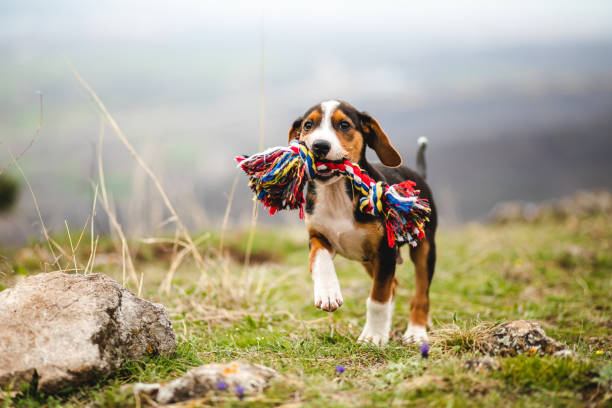
Adorable mixed breed puppy playing with his toy on mountain

Training a Beagle can be both rewarding and challenging. These intelligent and curious dogs have a strong hunting instinct and a playful nature, making them wonderful companions for active families. However, their independent streak and scent-driven behavior can sometimes pose training difficulties. Here are some valuable training tips for Beagle owners to help foster obedience, curb unwanted behaviors, and strengthen the bond between you and your furry friend.

  1. Start Early: Begin training your Beagle as soon as you bring them home. Early socialization and obedience training lay the foundation for good behavior and prevent the development of undesirable habits later on. Introduce your Beagle to various people, animals, environments, and experiences to build confidence and reduce fear or anxiety.
  2. Be Patient and Consistent: Training a Beagle requires patience, consistency, and positive reinforcement. Beagles respond well to praise, treats, and rewards for good behavior. Use clear, simple commands and repeat them consistently to help your Beagle understand what is expected of them. Keep training sessions short and enjoyable to maintain your Beagle’s focus and motivation.
  3. Use Positive Reinforcement: Positive reinforcement is the most effective method for training Beagles. Reward desirable behaviors such as sitting, staying, and coming when called with treats, praise, or toys. Avoid punishment-based techniques, as they can lead to fear, mistrust, and anxiety in your Beagle. Instead, focus on reinforcing the behaviors you want to see more of.
  4. Channel Their Energy: Beagles are energetic and curious by nature, so it’s essential to provide them with plenty of physical and mental stimulation. Engage your Beagle in regular exercise, such as walks, runs, and playtime in a secure area. Puzzle toys, scent games, and interactive activities can also help satisfy their instinctual need to hunt and explore.
  5. Practice Recall Training: Beagles have a strong sense of smell and can easily become distracted by interesting scents while outdoors. Recall training is crucial for ensuring your Beagle responds promptly when called, especially in off-leash environments. Use high-value treats and enthusiastic praise to reinforce a reliable recall response.
  6. Address Separation Anxiety: Beagles are social animals that thrive on companionship, and they may experience separation anxiety when left alone for extended periods. Gradually acclimate your Beagle to being alone by practicing short departures and gradually increasing the duration over time. Provide interactive toys, comfort items, and a safe, comfortable space to help alleviate anxiety when you’re away.
  7. Be Firm and Assertive: While positive reinforcement is essential, it’s also important to establish yourself as the leader in your Beagle’s eyes. Set clear boundaries and enforce rules consistently to prevent unwanted behaviors such as excessive barking, digging, or jumping. Be firm and assertive without resorting to harsh discipline or punishment.
  8. Seek Professional Help if Needed: If you encounter persistent behavior issues or struggle to make progress with training, don’t hesitate to seek assistance from a professional dog trainer or behaviorist. They can provide personalized guidance, techniques, and strategies to address specific challenges and support you in achieving your training goals.

In conclusion, training a Beagle requires patience, dedication, and a deep understanding of their unique temperament and instincts. By implementing positive reinforcement techniques, providing ample stimulation, and building a strong bond based on trust and mutual respect, you can help your Beagle become a well-behaved and happy member of your family. With consistency, compassion, and perseverance, you can unlock your Beagle’s full potential and enjoy a fulfilling companionship for years to come.

How To Maintain Health Of Beagles

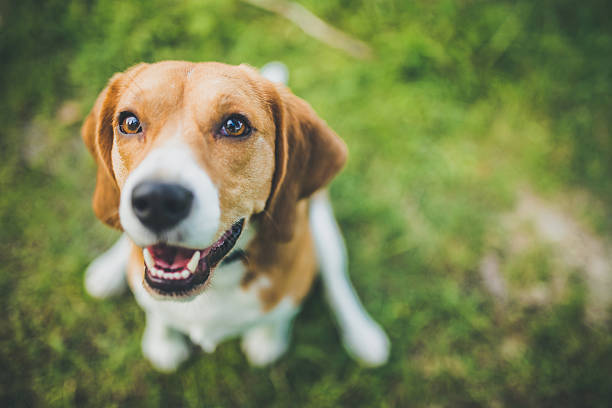
Beagle dog sitting in green grass


Ensuring the health and well-being of your Beagle is a crucial aspect of responsible pet ownership. These energetic and amiable dogs thrive when provided with proper care, a balanced diet, regular exercise, and routine veterinary attention. Here’s a comprehensive guide on how to maintain the health of your Beagle.

1. Balanced Nutrition: A nutritious diet is fundamental to a Beagle’s overall health. Provide high-quality dog food that meets their specific nutritional needs. Be mindful of portion sizes to prevent overeating, as Beagles have a tendency to gain weight. Regular feeding schedules and controlled treats contribute to maintaining a healthy weight.

2. Regular Exercise: Beagles are an active breed with a keen sense of smell and tracking instincts. Regular exercise is crucial to prevent boredom and ensure their mental and physical well-being. Engage in daily walks, play fetch, and provide stimulating toys to keep them active and happy. A tired Beagle is a content and well-behaved Beagle.

3. Veterinary Check-ups: Regular veterinary check-ups are essential for preventive care. Schedule annual visits for vaccinations, dental exams, and overall health assessments. Beagles can be prone to certain health issues, so early detection through regular check-ups can significantly improve their quality of life.

4. Dental Care: Beagle owners should pay close attention to their pet’s dental health. Regular brushing, appropriate chew toys, and dental treats can help prevent tartar buildup and gum disease. Good oral hygiene contributes not only to dental health but also to the overall well-being of your Beagle.

5. Parasite Prevention: Beagles can be susceptible to parasites like fleas, ticks, and intestinal worms. Implement a regular parasite prevention plan, including the use of veterinary-approved flea and tick medications and regular deworming. Consult your veterinarian for the most suitable preventive measures based on your Beagle’s lifestyle and environment.

6. Grooming Routine: Beagles have a short coat that requires minimal grooming, but regular brushing helps remove loose hairs and keeps their coat healthy. Pay attention to their ears, as Beagles are prone to ear infections. Clean their ears regularly and check for signs of redness, swelling, or discharge.

7. Mental Stimulation: Beagles are intelligent dogs that thrive on mental stimulation. Provide puzzle toys, engage in interactive games, and incorporate training sessions into their routine. Mental stimulation is as important as physical exercise for a happy and well-balanced Beagle.

By following these guidelines, Beagle owners can proactively contribute to the health and longevity of their furry companions. A combination of proper nutrition, regular exercise, veterinary care, and attention to grooming and mental stimulation will help ensure that your Beagle leads a healthy and happy life.

All About A Beagle’s Temperament

A beautiful hound dog sits on a green grass lawn looking at the camera, with sunlight backlighting her head. Horizontal with copy space.

The Beagle, a charming and energetic breed, is renowned for its friendly temperament, making it a beloved choice for families and individuals alike. Understanding the intricacies of a Beagle’s temperament is crucial for potential owners seeking a compatible canine companion.

At the core of a Beagle’s personality is an affable and sociable nature. These dogs are known for their love of companionship and interaction, making them excellent family pets. Their friendly demeanor extends not only to humans but also to other animals, making them generally adaptable to various living situations. Beagles thrive on human connection and are particularly good with children, showcasing a patient and tolerant attitude.

Intelligence is another prominent aspect of a Beagle’s temperament. While they are intelligent dogs, they are also known for their independent streak. This independence can sometimes manifest as stubbornness, especially during training sessions. Beagle owners often find success by incorporating positive reinforcement techniques and maintaining patience and consistency in their training efforts.

Playfulness is a defining trait of Beagles, contributing to their reputation as joyful and entertaining companions. Their boundless energy and enthusiasm make them excellent playmates for active families or individuals who enjoy outdoor activities. Regular exercise is essential to keep a Beagle mentally stimulated and physically fit, preventing boredom-related behaviors.

The Beagle’s history as a hunting dog has influenced its temperament, particularly its keen sense of smell and tracking instincts. While they may not be actively used for hunting in modern times, these traits can still be observed in their behavior. Beagles may exhibit a strong desire to follow scents, and owners should be mindful of their surroundings to prevent wandering.

While Beagles are generally good-natured, it’s essential to note that each dog is an individual with its own temperament. Early socialization is crucial to ensure a Beagle develops into a well-adjusted and confident adult dog. Proper exposure to various people, environments, and situations during their formative months helps prevent shyness or fearfulness.

In conclusion, the Beagle’s temperament is a delightful blend of friendliness, intelligence, and playfulness. Their adaptability and love for human companionship make them excellent additions to households seeking a loyal and affectionate four-legged friend. By understanding and appreciating the unique qualities of a Beagle’s temperament, owners can forge a strong bond with these lovable dogs and provide them with a happy and fulfilling life.